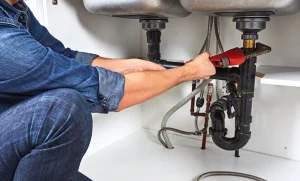
A quiet drip can seem harmless. Yet water can move behind walls before you see a stain. A slow drain may feel like a small pain. However, it can point to a deep clog. So, a full plumbing check gives you facts before a small fault grows. A plumber can check pipes, drains, taps, toilets, valves, water flow, and the water heater. In fact, the visit can show which risks need fast care.
More importantly, you gain a clear view of your home’s water system. As a result, that knowledge can guard your budget, comfort, and daily life. Instead of guessing, you can plan work in the right order. Here are 12 real gains from a check by a plumbing service.
. Find Hidden Plumbing Leaks And Stop WasteBenefit 1: It finds leaks you cannot see. For example, a plumber checks pipe joints, toilets, taps, and supply lines. They may look for damp spots, meter use, or a drop in water flow. Therefore, slow leaks have less time to stay out of sight.
Benefit 2: It can cut water waste and high bills. The EPA says home leaks can waste more than 9,300 gallons each year. It says easy leak fixes may cut water bills by about 10 percent.
Because the check finds the source, you can avoid changing parts that still work.
. Prevent Costly Water Damage And Damp SpotsBenefit 3: It helps guard walls, floors, and cabinets. A loose joint may drip under a sink for months. Likewise, a pipe may wet drywall without leaving an early puddle. A check can spot signs before the harm spreads.
Benefit 4: It helps stop damp spots where mold may grow. The CDC says mold grows where wet areas remain. It lists leaks in pipes, walls, roofs, and windows as common causes.
Watch for these signs:
- Soft drywall or loose paint
- Musty smells near sinks or tubs
- Dark marks under cabinets
- Bent or raised floorboards
Benefit 5: It can find drain trouble before a full backup. Slow drains often start with hair, grease, soap, or food waste. However, clogs that return may point to a broken pipe or a deep block. For example, a plumbing service can test more than one drain and trace the likely cause.
The plumber may check:
- Gurgling sounds after another tap runs
- Water rising in tubs or floor drains
- Sewer smells near sinks or toilets
- Clogs that return after basic care
As a result, you learn whether one drain or the main line needs work. In turn, that choice matters because the repair plan may change a lot. Early checks may keep dirty water out of your living space.
. Improve Water Pressure And Fixture PerformanceBenefit 6: It explains weak or uneven water flow. Low flow may come from scale, a half-closed valve, or a leak. Meanwhile, high pressure can strain pipe joints, valves, and machine hoses. A plumber can test pressure and compare flow in each room.
Benefit 7: It helps taps, toilets, and showers work well. For example, these parts need a steady water feed. Therefore, one bad valve can affect more than one room. A check can tell a small tap fault from a whole-home issue.
As a result, this can stop you from buying a new tap when the real fault sits farther back. It can also set a clear work order. You can fix urgent risks now and save small updates for later.
. Check Water Heater Safety And Energy CostsBenefit 8: It may find water heater faults early. For instance, rust, leaks, odd sounds, and heat swings need care. Therefore, a check may help stop a sudden loss of hot water.
Benefit 9: It can point out wasted power or fuel. The U.S. Department of Energy says water heating uses about 20 percent of a typical home’s energy. A bad setting, worn part, or hot-water leak may raise that use.
| Check | What It May Show | Gain for You |
| Tank and joints | Rust or active leaks | Less risk of water harm |
| Heat level | Unsafe or wasteful settings | Safe, steady hot water |
| Valves and lines | Weak parts or poor flow | Fewer sudden faults |
| Age and state | Future change needs | Better budget plans |
Benefit 10: It gives you facts before a big choice. A home may look clean while old pipes hide behind walls. Therefore, a check can cut doubt before a sale or home project.
Before You Buy
A plumber can note pipe types, leaks, weak flow, drain faults, and water heater age. Because of that, buyers can ask better questions. They can also plan funds for work before closing.
Before You Remodel
Kitchen and bath changes may affect drains, vents, gas lines, and water needs. A check shows if the old lines can serve the new plan. As a result, crews may avoid opening new walls twice. The report does not replace permits or code checks. However, it gives the project a sound place to start.
. Build An Emergency Plumbing Plan And RecordBenefit 11: It helps you act fast during a leak. Many people do not know where the main shutoff valve sits. In some homes, old valves will not turn. Therefore, a check can find key controls before water starts to spread.
A useful report may list:
- Main water shutoff point
- Shutoff points for each fixture
- Water heater power or fuel switch
- Areas with old or worn pipes
- Work that needs fast care
This record helps families, owners, and repair crews act with less stress. It can support later repair talks. However, keep photos and bills with the report. That way, a plumber can see past work without starting from zero. Clear notes help track changes over time.
. Create A Long-Term Plumbing Care PlanBenefit 12: It turns small signs into a clear care plan. The plumber can rank faults by risk, cost, and need. Therefore, you know what to fix now and what can wait. This may guard your budget from rushed choices.
Inspection Benefits That Protect Your Home
In fact, a good report should state the fault, likely cause, and useful fix. Further, it should say when more tests may be needed. Because no check can see through each wall, clear limits matter.
Regular plumbing checks can support safe water use, free-flowing drains, and fewer sudden repairs. For service help, Graham Plumbing provides plumbing work for homes and businesses. A full check can give you the facts needed to choose your next step with care.