
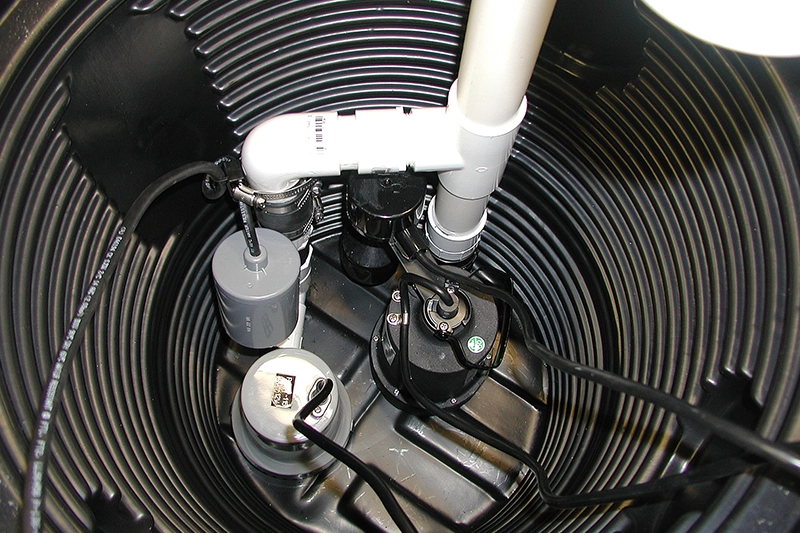
Sump Pump Installation And Repair In Weymouth
Heavy rain can fill a sump pit faster than an old pump can respond. A stuck float switch, blocked discharge pipe, or failed motor may leave water spreading across the basement floor. Stored items, flooring, electrical equipment, and finished rooms can suffer damage.
To protect lower levels before the next storm, our sump pump installation in Weymouth, MA gives collected groundwater a controlled route away from the building. We inspect the pit, measure expected water flow, review the discharge path, and select a pump that fits the property. Correct pump size matters because an undersized unit may run constantly, while an oversized unit may cycle too often and wear out early.
Our sump pump work may include the following key parts:
- Primary pump installation for groundwater removal
- Float switch checks for reliable automatic starting
- Check valve service to stop discharged water from returning
- Discharge line review for safe flow away from the foundation
- Existing pump repair for motors, switches, clogs, and weak output
At Graham Plumbing, we also install and repair ejector pumps that move wastewater from basement fixtures when gravity drainage is not possible. The basin, lid, vent, piping, and pump must work together to control waste and odors. After the work, we test pump activation, drainage speed, valve action, and the discharge route. You gain a basement system built to respond before rising water reaches your usable space.
Stop Basement Water Seepage Before It Spreads
Water does not always enter through one visible leak. Moisture can pass through foundation cracks, porous walls, floor joints, window wells, or gaps around pipe openings. Over time, damp surfaces may create musty smells, damaged drywall, peeling coatings, warped trim, and poor storage conditions.
By tracing where moisture starts and how it travels, our basement waterproofing in Weymouth, MA targets the entry route instead of covering the stain. We check walls, floors, corners, penetrations, grading concerns, and drainage conditions around the structure. This review helps separate surface condensation from groundwater seepage and drainage pressure below the slab. It also shows whether exterior runoff is adding pressure nearby.
The waterproofing plan may address several moisture paths:
- Foundation crack sealing to close direct entry points
- Wall and floor joint treatment where seepage often appears
- Interior drainage channels that guide water toward a collection pit
- Moisture barriers that limit dampness passing through basement surfaces
- Window well drainage checks near below-grade openings
Each property needs work based on its construction, water pattern, and basement use. A finished room needs different protection than a utility space or storage area. We explain which areas need action, which materials fit the surface, and how drainage connects with the pump system. The result is a drier lower level, fewer damaged belongings, better use of basement space, and less risk of moisture returning through an untreated opening.
Drainage Care That Protects Your Home
Leaves, sediment, roots, and debris can restrict storm drains before a major rainfall. Water may then collect near entrances or loading areas. A failed ejector pump can also interrupt lower-level bathrooms, laundry areas, or commercial fixtures that depend on pumped waste removal.
For connected water control, our Weymouth sump pump & waterproofing services cover pump performance, below-grade moisture entry, ejector systems, and storm drain maintenance. We clear drainage paths, inspect connections, and check whether runoff is moving away from the structure. Timely maintenance helps reduce standing water and lowers pump strain.
Our wider drainage support includes practical service steps:
- Storm drain clearing for leaves, silt, and common blockages
- Drain inlet checks for damaged covers or restricted openings
- Ejector pump inspection for weak cycling, noise, or backup signs
- Sump basin cleaning to remove debris that can jam moving parts
- Emergency response when water or wastewater threatens occupied areas
When an aging unit no longer provides dependable output, we include sump pump installation in Weymouth, MA within a wider drainage plan that considers the pit, outlet, electrical supply, and water volume. Graham Plumbing serves local homes and businesses, including offices, rental properties, and active work areas.
Duane Graham brings more than 30 years of plumbing experience, and our licensed and insured business provides 24/7 emergency help. Call (857) 260-9777 for service that protects property use, building contents, and daily routines.
Sump Pump Services For Weymouth Homes
Schedule A Sump Pump Installation Today
How Our Sump Pump Installation Protects You
Clear Sump Pump Site Planning And Layout
We study basement layout, water entry patterns, outlet access, and pump location before recommending equipment, helping the system fit the property without wasted work or delays.
Weather Ready Backup Options For Sump Pumps
Our approach for basement waterproofing in Weymouth, MA supports sump pump performance by reducing water pressure near vulnerable areas and helping the basement stay usable during wet seasons.
Plumbing Service That Keeps Your Basement Dry
We explain equipment choices, expected operating needs, and installation steps before work begins, so you know what is being fitted and why it suits your property.
Sump Pump Installation Questions Answered
A standard electric sump pump stops working when the power goes out. For outage protection, our sump pump installation in Weymouth, MA can include a battery backup system. We check the available pit space and expected water demand. Then we explain how the primary and backup pumps will work together.
A pedestal pump keeps its motor above the pit, while a submersible pump operates inside the basin. We compare basement space, noise concerns, water volume, and access needs. This helps us select a design suited to the property. We also explain the upkeep needs of each option before installation.
A fitted cover helps keep debris, insects, moisture, and odors from entering the basement. We inspect the basin shape and nearby pipe openings before recommending a lid. The cover must still allow safe access to the pump. We fit the parts without blocking pipes, cables, or backup equipment.